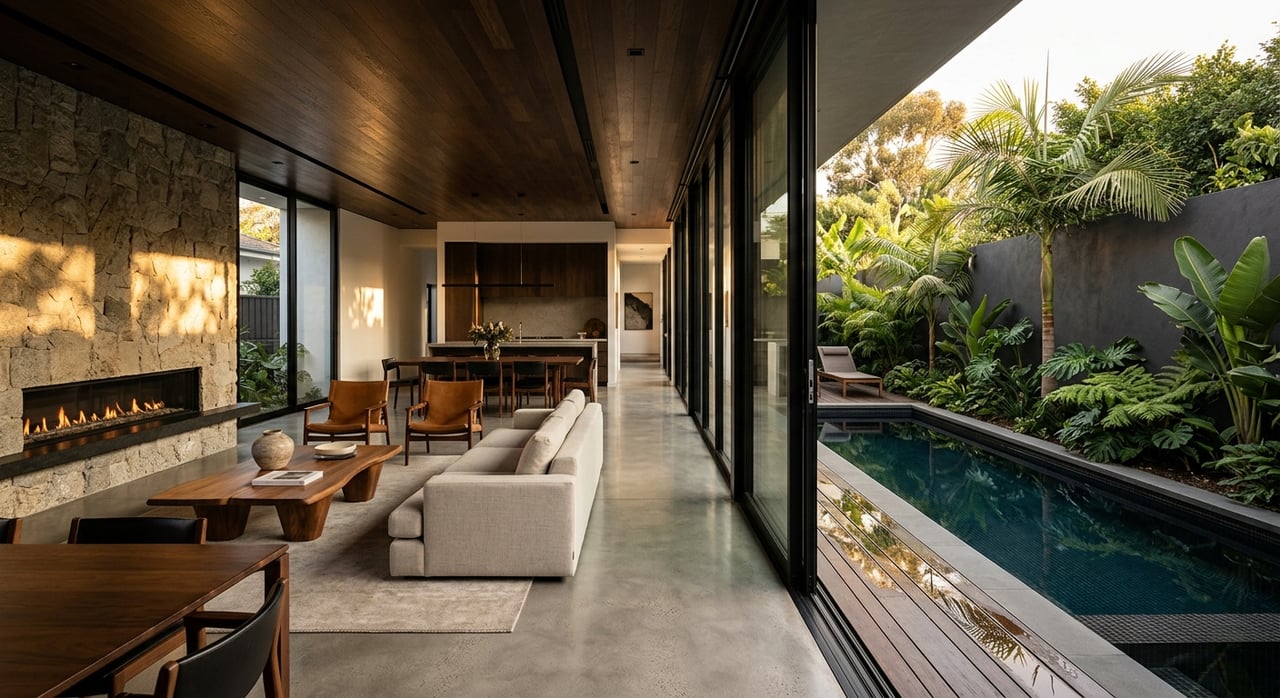
Step-By-Step Look At Building A New Home In Avenir
March 26, 2026
March 26, 2026
Wondering what it really takes to build a new home in Avenir, Palm Beach Gardens? You want a clear plan, realistic timing, and someone in your corner as you navigate builders, permits, and design choices. In this guide, you will see the full process from homesite selection to closing, plus tips that protect your budget and timeline. Let’s dive in.
Avenir is a large master-planned community on the west side of Palm Beach Gardens in ZIP 33412. The plan spans roughly 4,700 to 4,760 acres with single-family neighborhoods, active-adult options, luxury estates, commercial uses, and a significant conservation area. You can explore the community vision and amenities on the official site for Avenir in Palm Beach Gardens.
The Town Center is planned in phases, and public messaging has noted an early retail opening target around summer 2026. Since delivery is phased, confirm the latest timing with the on-site team and city records. You can review the developer’s Town Center announcement for context on the targeted 2026 opening phase.
Multiple builders are active in Avenir, each with its own product and neighborhood. Names cited on community and builder pages include GL Homes (APEX), Kenco Communities (Coral Isles), Akel Homes (Solana Bay), DiVosta/PulteGroup (Avondale), K. Hovnanian (La Terre), Kolter (Esprit 55+), Toll Brothers (Regency at Avenir), and the ultra-luxury Panther National enclave. Start with the builder community pages to verify current offerings, like the GL Homes APEX overview, then narrow your short list.
Before you sign anything, gather the documents that affect long-term costs. Avenir has an active Community Development District (CDD) and related offering materials that outline assessments and phasing. Review the latest CDD meeting book and disclosures on the Avenir CDD site, and ask each builder for a written CDD and HOA cost breakdown for your specific homesite.
County impact fees and city permit rules can affect your upfront and closing costs. The City of Palm Beach Gardens posts building and inspection procedures that influence the start date for construction. Check the city’s building resources for current procedures and approvals needed in the Palm Beach Gardens Building Division guide.
Homesite selection drives price, build complexity, and future resale. Waterfront, preserve-edge, cul-de-sac, and larger estate lots often carry higher premiums. Use published site plans, like the Coral Isles estate-lot map, to compare lot sizes, exposures, and any stated premiums.
Model-home representatives work for the builder. You are typically allowed to have your own buyer’s agent at no direct cost to you, and that agent can help negotiate incentives, review contract language, and protect deposits and timelines. If you plan to work with an agent, involve them before your first visit so they are registered with the builder.
Deposit structures and contract terms vary by builder. Confirm whether you are signing a lot reservation or a binding purchase agreement, and review financing and appraisal timelines in writing. Ask for a clear list of what is included versus upgrades so you can compare across neighborhoods.
After contract, you will attend one or more Design Studio appointments to choose finishes and confirm any structural options. Builders set internal deadlines for making selections, and late changes can be disallowed or priced higher. Expect to receive written selection deadlines and a process for change orders.
Structural options are usually priced differently than finish upgrades. Decide early on layouts that affect plumbing, electrical, and framing to avoid permit changes and delays. Many Florida builders offer incentives or credits that can offset upgrades or financing costs. Statewide coverage notes that buyer incentives, including interest rate buydowns, are common in new construction. Review recent trends on builder incentives and pricing shifts and have your agent negotiate the structure that benefits you most.
Once your plan set and selections are finalized, the builder submits for permits. Review cycles depend on city and county requirements, engineering, utility connections, and fee payments. You can see current procedures and inspection checkpoints in the Palm Beach Gardens Building Division guide. Any missing documents or revisions can push back your start date, so lock selections on time and confirm the submittal is complete.
Here is the typical sequence you will see after permits are issued. Timing varies by plan complexity and market conditions.
Typical total build time for production and semi-custom homes often ranges from about 7 to 12-plus months from permit approval to the Certificate of Occupancy. Custom and high-end estate builds can take 12 to 24 months or more. Recent industry reporting notes that completion intervals have lengthened in many markets due to labor, supply, and permitting constraints, so plan conservatively. See a national read on timelines in this market report summary.
About 7 to 14 days before closing, your builder will host a new-home orientation and blue-tape walkthrough. Document items that need touch-ups and set dates for completion in writing. Many buyers also schedule an independent final inspection 1 to 2 weeks before closing to catch items that are easy to fix before move-in.
Most large builders provide a written warranty, often following a 1-2-10 model: one year for workmanship, two years for systems, and ten years for major structural items through a third-party program. Review the exact warranty provider and claim process in your contract package, and note whether the warranty is transferable. You can learn more about typical coverage structures in this warranty overview reference.
You deserve a smooth, well-planned path from lot selection to move-in. If you want local guidance, negotiation on builder incentives, and bilingual support, the Elite Home Team is here to help. Our new-construction advocacy can include up to $10,000 back on qualified builds, and we stay with you through design, inspections, and beyond closing. Start your home journey with a free, no-pressure consultation today.
Whether you are looking to BUY or SELL, Elite Home Team understands this is one of the biggest investments of your life. Let our experience “move” you through every step of the process. Our relationships with our clients last long after the close of the sale. That philosophy drives our work ethic and leads to the success of our business.
ELITE HOME TEAM
Serving Palm Beach Areas
SALLIANNE SERRA
(561) 436-2458
[email protected]
Serving Sarasota Manatee Areas
CHRISTIAN QUINTANA
(561) 596 2214
[email protected]
8961 HYPOLUXO ROAD LAKE WORTH FL 33467