Leave a Message

Thank you for your message. We will be in touch with you shortly.

How To Choose Your Next Neighborhood In Wellington

February 12, 2026

Choosing a neighborhood in Wellington can feel exciting and a little overwhelming. You have beautiful planned communities, equestrian estates, and plenty of amenities within a short drive. The challenge is matching your daily life, budget, and commute to the right spot.

In this guide, you’ll learn how to compare Wellington neighborhoods by home style, HOA rules, amenities, flood and insurance factors, and drive times. You’ll also get practical checklists you can use on tours and during due diligence. Let’s dive in.

Start with your lifestyle

Before you compare addresses, get clear on how you live day to day. List your top two or three non-negotiables, then add a few nice-to-haves.

  • Non-negotiables: must allow horses, max HOA fee, gated community, or within a set drive time to work or medical care.
  • Nice-to-haves: lot size range, yard type, proximity to shopping or parks, architectural style, and street setting.

This quick exercise helps you filter faster and focus on what matters most.

Compare Wellington neighborhood types

Wellington has a wide mix of community styles. Understanding the differences helps you narrow your list quickly.

Equestrian estates and horse-friendly areas

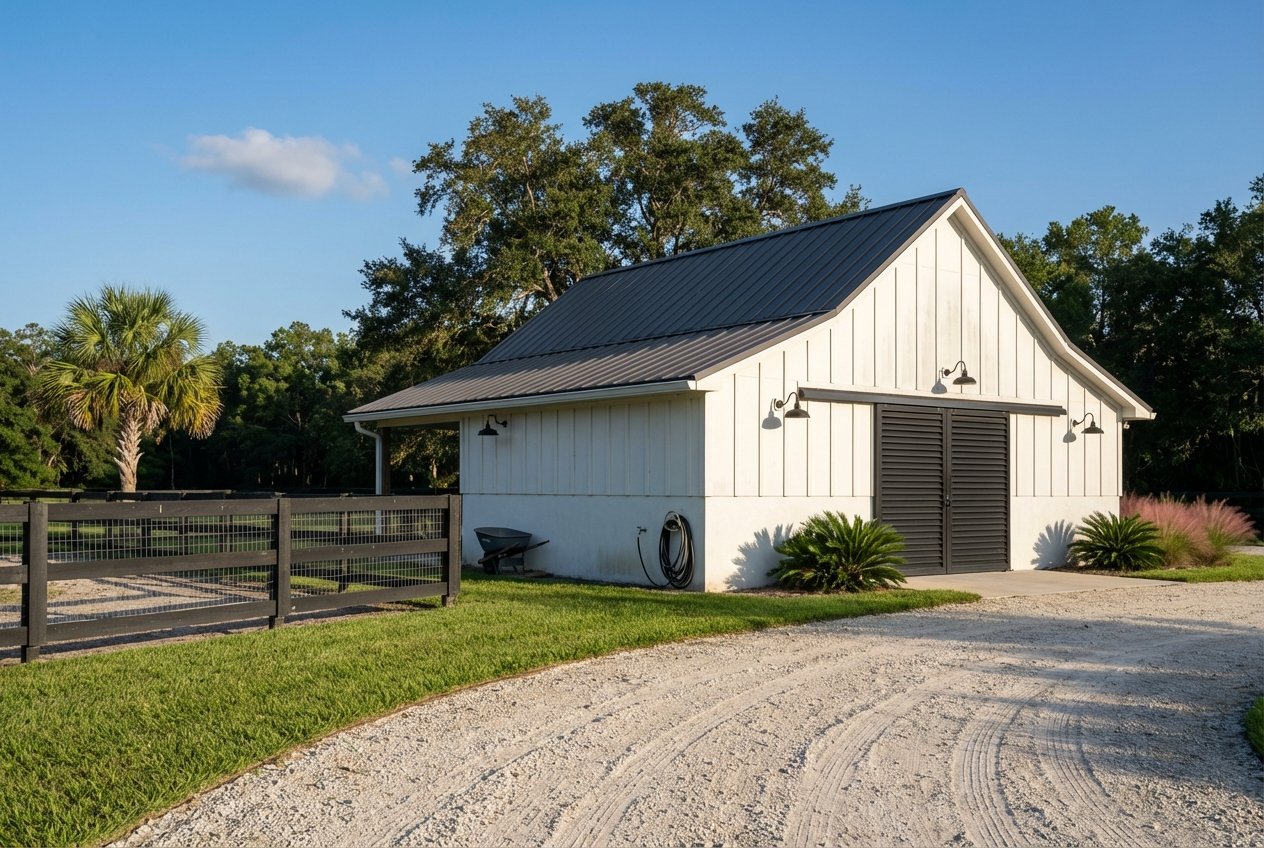
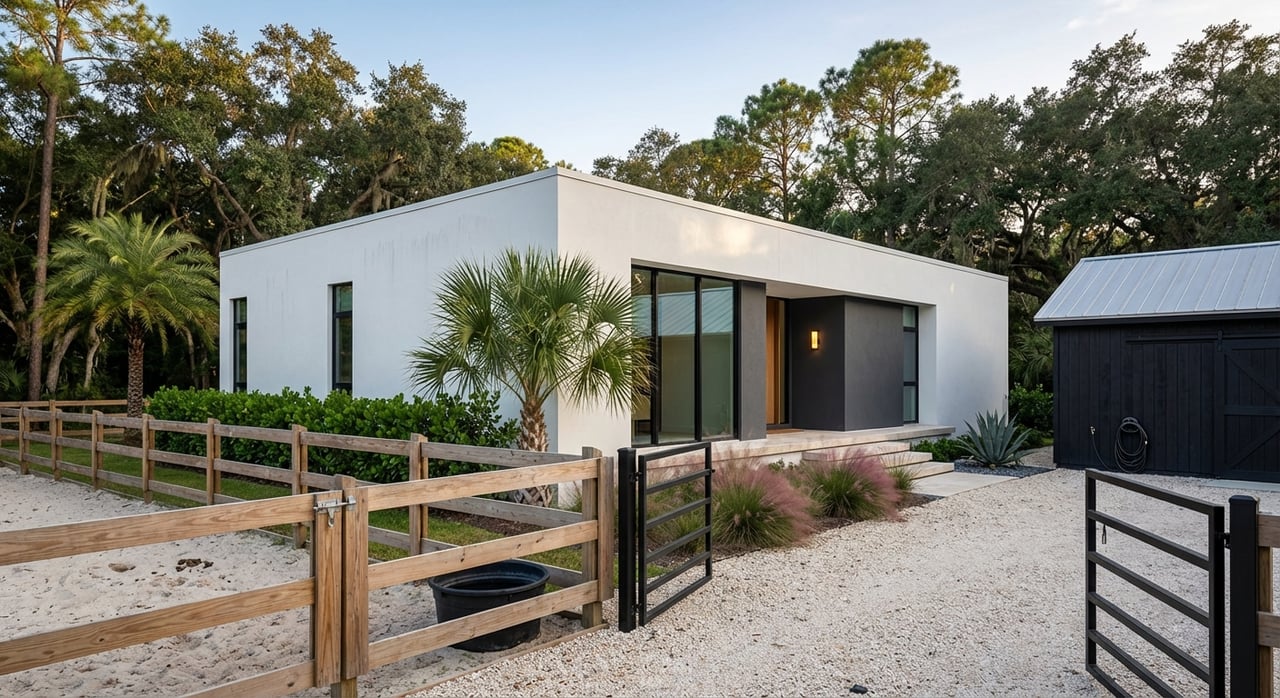
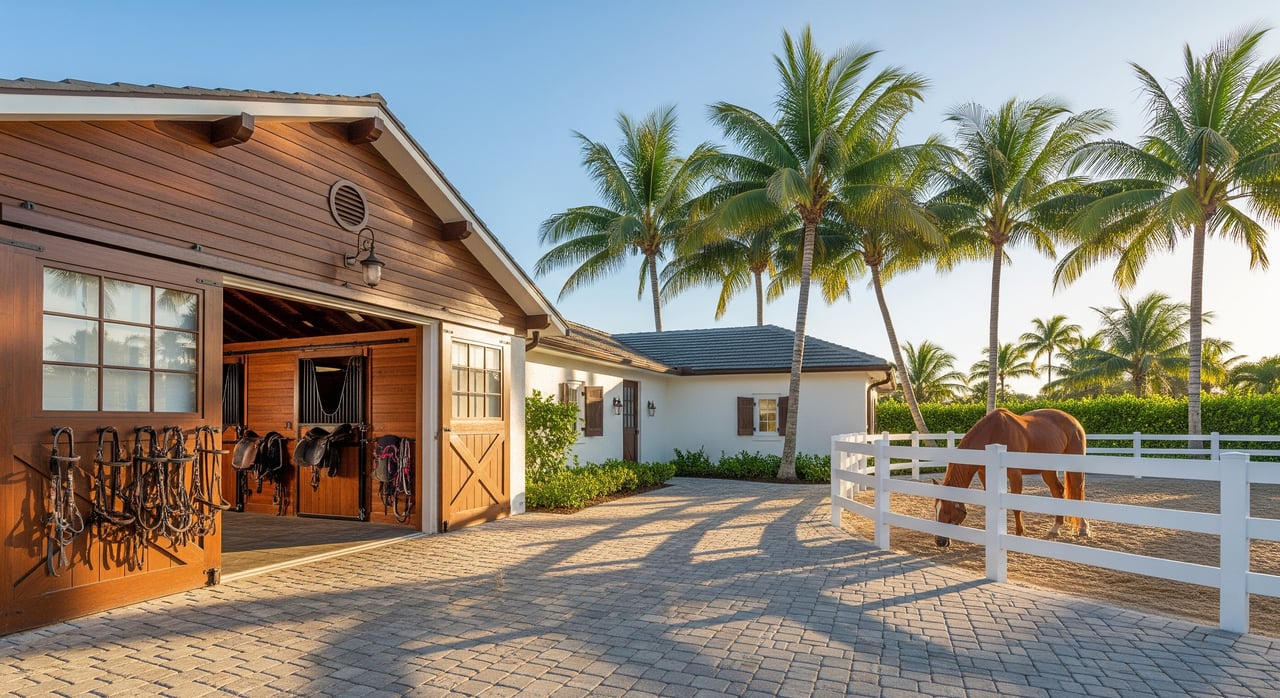
These homes often sit on larger lots with room for paddocks or stalls and access to bridle paths. Layout, fencing rules, and setbacks can differ from typical suburban lots. Seasonal events at local equestrian venues can bring added traffic and short-term noise, which is a plus for enthusiasts and a factor to note for others.

Who it fits: Buyers who value land, flexibility for horses, and proximity to equestrian hubs.

Gated country-club and golf communities

Expect structured architectural guidelines, higher HOA fees, and lifestyle amenities like golf, clubhouses, fitness centers, and pools. Fees should be weighed against services, convenience, and resale appeal to lifestyle-focused buyers.

Who it fits: Buyers who want managed amenities, a cohesive look, and a social hub.

Planned subdivisions and family-oriented communities

These areas offer predictable lot sizes and home styles, often with parks, playgrounds, and community paths. HOAs vary, but rules are usually geared toward keeping common areas tidy without heavy equestrian use.

Who it fits: Buyers who want low-maintenance living near shopping and services.

Luxury enclaves and custom builds

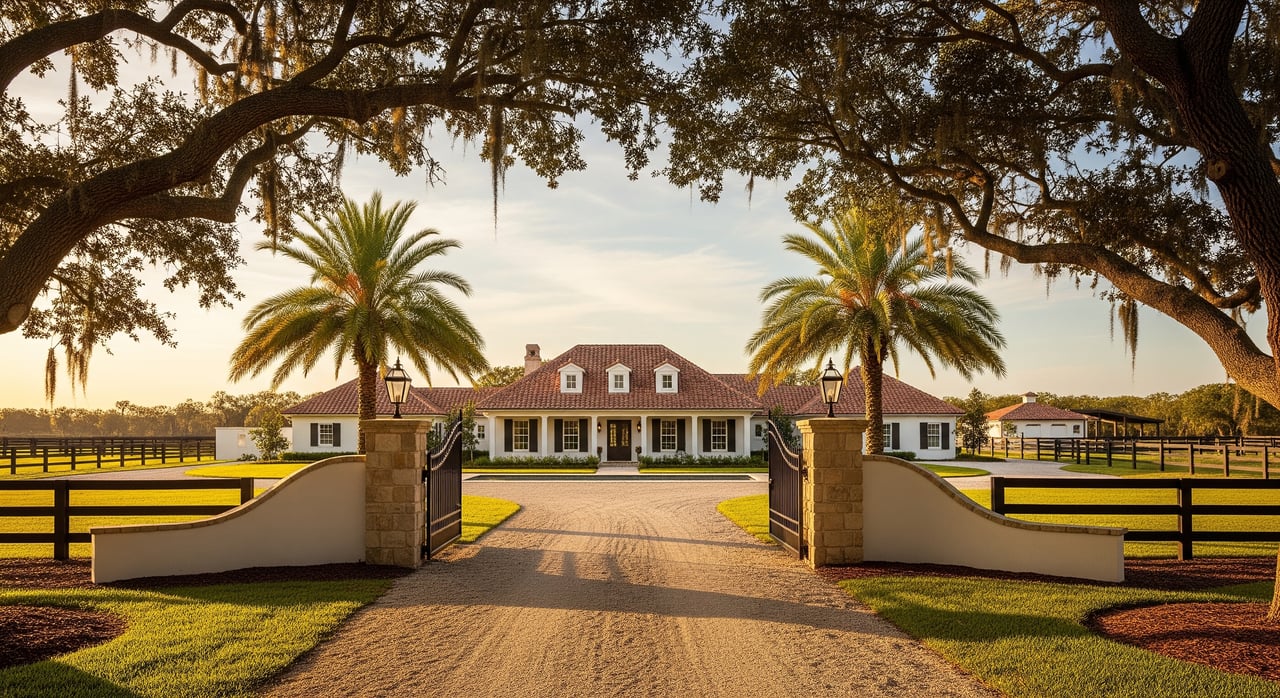
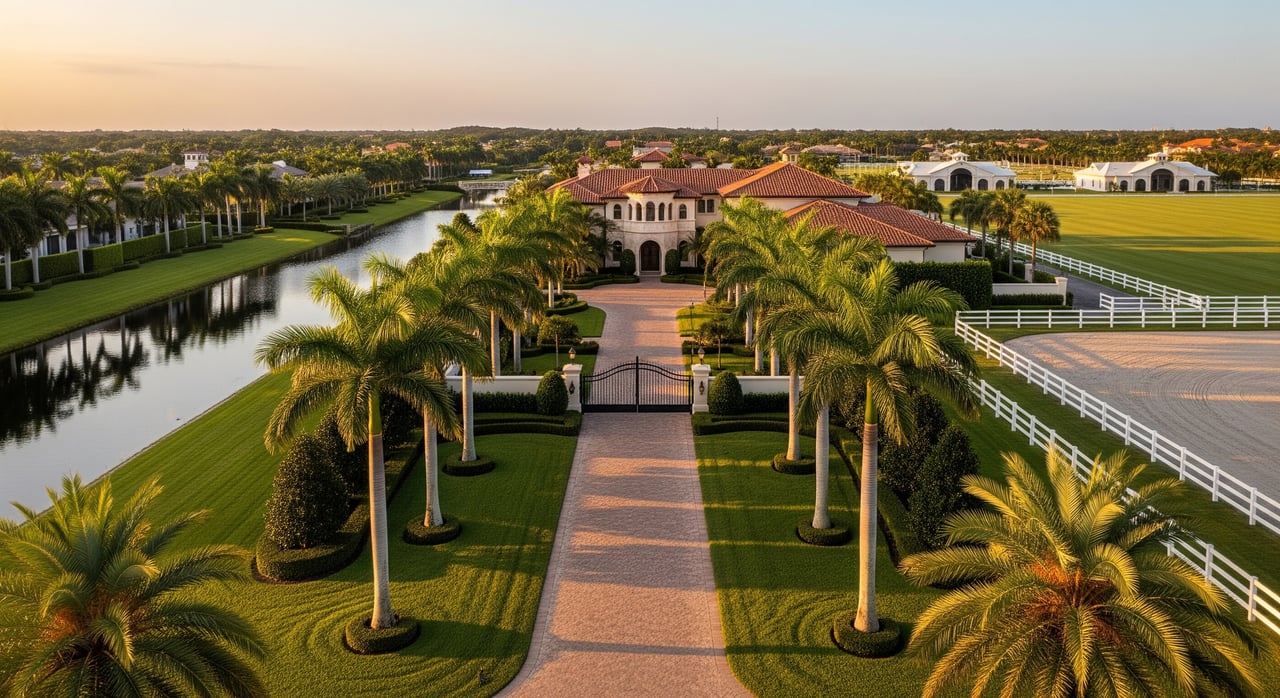
You will find bespoke designs, larger lots, and private estate settings. Maintenance costs can be higher, and some properties sit outside master HOAs or have small estate associations with their own rules.

Who it fits: Buyers seeking privacy, custom architecture, and flexible contract terms.

Mixed-use corridors and village centers

Closer to shopping, restaurants, and services, these locations trade larger yards for convenience and possible walkability. Be mindful of traffic patterns during peak hours.

Who it fits: Buyers who prioritize errands, dining, and medical care within minutes.

HOA due diligence that protects you

HOAs shape daily life, from exterior changes to monthly expenses. Request and review the full HOA packet before your inspection and financing contingencies expire.

Key documents to request:

  • Declaration of Covenants, Conditions & Restrictions (CC&Rs) and any plat restrictions
  • Articles of Incorporation, Bylaws, Rules & Regulations, and Architectural Guidelines
  • Most recent budget, financials, and a reserve study
  • Current dues schedule and history of increases
  • Meeting minutes for the last 12 to 24 months
  • Insurance certificates for the master policy
  • Estoppel or resale certificate showing owner ledger and any assessments
  • Rental, pet, parking, and short-term rental rules
  • Management agreement and contact info
  • Pending litigation disclosures

What to look for:

  • Reserve adequacy: Low reserves with aging infrastructure can lead to special assessments.
  • Litigation: Ongoing lawsuits can increase risk and limit HOA flexibility.
  • Dues trajectory: Repeated large increases may signal funding stress.
  • Insurance scope: Confirm what the master policy covers vs what your policy must cover.
  • Rental rules: Restrictions affect future resale and investor demand.
  • Architectural control: Strict processes protect neighborhood character but limit changes like fences, paint, or pools.

For member rights and records access, review the Florida Statutes. For HOA best practices and buyer checklists, the Community Associations Institute is a useful resource.

Commute and daily travel

Many Wellington residents commute east toward coastal job centers. East–west arterials can stack up at rush hours, so test your drive at the times you would typically travel. If you plan to use transit, explore county and regional options.

  • Bus service: Check Palm Tran routes for connections across Palm Beach County.
  • Commuter rail: Tri-Rail serves the coastal corridor. Some residents use park-and-ride or rideshare to reach stations.
  • Airport: Palm Beach International Airport is the closest commercial airport. Travel time varies with traffic.

Pro tip: Map primary and backup routes and verify drive times to work, frequent errands, and weekly activities.

Recreation, services, and lifestyle fit

Wellington’s identity is strongly tied to outdoor and equestrian recreation. You will also find parks, community programming, shopping, dining, and healthcare within a short drive.

  • Equestrian and polo: Seasonal events bring energy and visitors. If you prefer quiet, consider location and event calendars.
  • Parks and recreation: Explore village green spaces, amphitheater events, and sports fields through the Village of Wellington site.
  • Shopping and dining: The Wellington Green area and nearby centers offer groceries, retail, and restaurants. Balance convenience with potential traffic.
  • Healthcare: Wellington Regional Medical Center and urgent care options are nearby. Proximity can be a key quality-of-life factor.

Match the setting to what you will use most, whether that is bridle paths, fairways, playgrounds, or a quick grocery run.

Flood, insurance, and permitting essentials

Even inland homes in Wellington can sit in flood hazard zones. Check every property’s flood profile and insurance needs early in your search.

  • Flood maps: Review FEMA Flood Insurance Rate Maps using the FEMA Map Service Center. Ask for an elevation certificate when applicable.
  • Insurance: Lenders may require flood insurance in special flood hazard areas. Expect Florida policies to include wind or hurricane deductibles, often as a percentage of dwelling coverage. Newer construction with wind-mitigation features can lower premiums.
  • Permits and code: The Village of Wellington and Palm Beach County enforce building codes for renovations, pools, fences, and major systems. Verify that past work was properly permitted and inspected before you waive contingencies.
  • Inspection focus: Roof age and condition, hurricane protection, HVAC age, moisture or termite evidence, pool equipment, and site drainage.

A little upfront verification goes a long way in protecting your budget and your peace of mind.

Create your shortlist in six steps

Use a simple, repeatable process to compare neighborhoods side by side.

  1. Identify non-negotiables. Pick your top two or three must-haves, such as horse allowances, a gated setting, or a max HOA fee.

  2. Define soft preferences. Choose three or four items like lot size, proximity to shopping, low traffic streets, or a preferred exterior style.

  3. Map and eliminate. Layer commute routes, amenities, and current listings on a map. Remove areas that fail a non-negotiable.

  4. Compare HOA and costs. For each candidate area, note average price, typical lot size, HOA fee, key amenities, common restrictions, and proximity to your must-have destinations.

  5. Schedule targeted tours. Book multiple showings in the same outing to compare feel, traffic, and noise at similar times of day.

  6. Document and follow up. After tours, note curb appeal, neighbor upkeep, and questions for the HOA or manager. Request the full HOA document set before moving to offers.

On-tour checklist: what to observe

Bring this quick list to every showing to spot red flags and confirm fit.

Exterior and neighborhood:

  • Street condition and traffic patterns
  • Neighbor property maintenance and curb appeal
  • Presence of bridle paths, stables, or trailers nearby
  • Proximity to parks, clubhouses, or event venues and any noise
  • Visible drainage or standing water after rain
  • Mature trees near the roofline or pool enclosure

Home systems and features:

  • Roof age, condition, and hurricane protection
  • HVAC age, service records, and supply to each room
  • Signs of moisture intrusion or musty odors
  • Pool surfaces and equipment condition
  • Fencing alignment with property lines and any easements
  • Mailbox placement, street lighting, and night visibility

HOA and admin questions:

  • Exact monthly or quarterly dues and what they cover
  • Any planned or recent special assessments
  • Rental and pet policies, plus livestock allowances if relevant
  • Architectural approval timelines for exterior changes
  • Master insurance coverage vs what your policy must cover

Resale and long-term value

Think beyond move-in to how the home will perform when you sell.

  • Location and lifestyle draw: Proximity to equestrian hubs, golf, or village centers boosts demand for the right buyer profile, while some event traffic can deter others.
  • Lot and outdoor utility: Larger or more usable lots often hold value well in Wellington.
  • HOA reputation and finances: Stable reserves and well-kept common areas support buyer confidence.
  • Flexibility of use: Heavy rental caps or strict design controls can narrow the resale pool.
  • Infrastructure and insurance: Chronic drainage issues or costly insurance profiles can drag long-term value.
  • Development pipeline: Watch village planning notices for upcoming projects that could impact traffic or neighborhood character. The Village of Wellington publishes municipal updates.

Your next step with a local guide

When you are ready to compare real neighborhoods and HOA details, a local, concierge-style approach makes the difference. As your buyer representative, we help you map commute times, filter by lifestyle, request and review HOA documents, and price your options with confidence. We also advise on new construction if a builder option fits your goals. Hablamos español.

If Wellington is on your shortlist, let’s connect and tailor a plan to your timeline. Start with a friendly, no-pressure consult with the Elite Home Team. Start Your Home Journey — Get a Free Consultation.
FAQs

What should I review in a Wellington HOA before buying?

  • Request CC&Rs, Bylaws, Rules, budgets, reserve study, meeting minutes, insurance certificates, and an estoppel or resale certificate, then verify dues, assessments, and restrictions.

How do I estimate Wellington commute times accurately?

How do I check flood risk for a Wellington property?

  • Review the property’s zone on the FEMA Map Service Center and ask for an elevation certificate to clarify insurance needs and lender requirements.

Are HOA amenities worth the higher fees in golf or club communities?

  • It depends on your lifestyle and the HOA’s finances; compare the monthly cost to the amenities you will actually use and review budgets and reserve studies for signs of stability.

What Florida laws guide HOA records and owner rights?

  • Owner rights to inspect records and other rules are defined in the Florida Statutes; confirm timelines and any fees for record requests or estoppel certificates.

Work With Us

Whether you are looking to BUY or SELL, Elite Home Team understands this is one of the biggest investments of your life. Let our experience “move” you through every step of the process. Our relationships with our clients last long after the close of the sale. That philosophy drives our work ethic and leads to the success of our business.