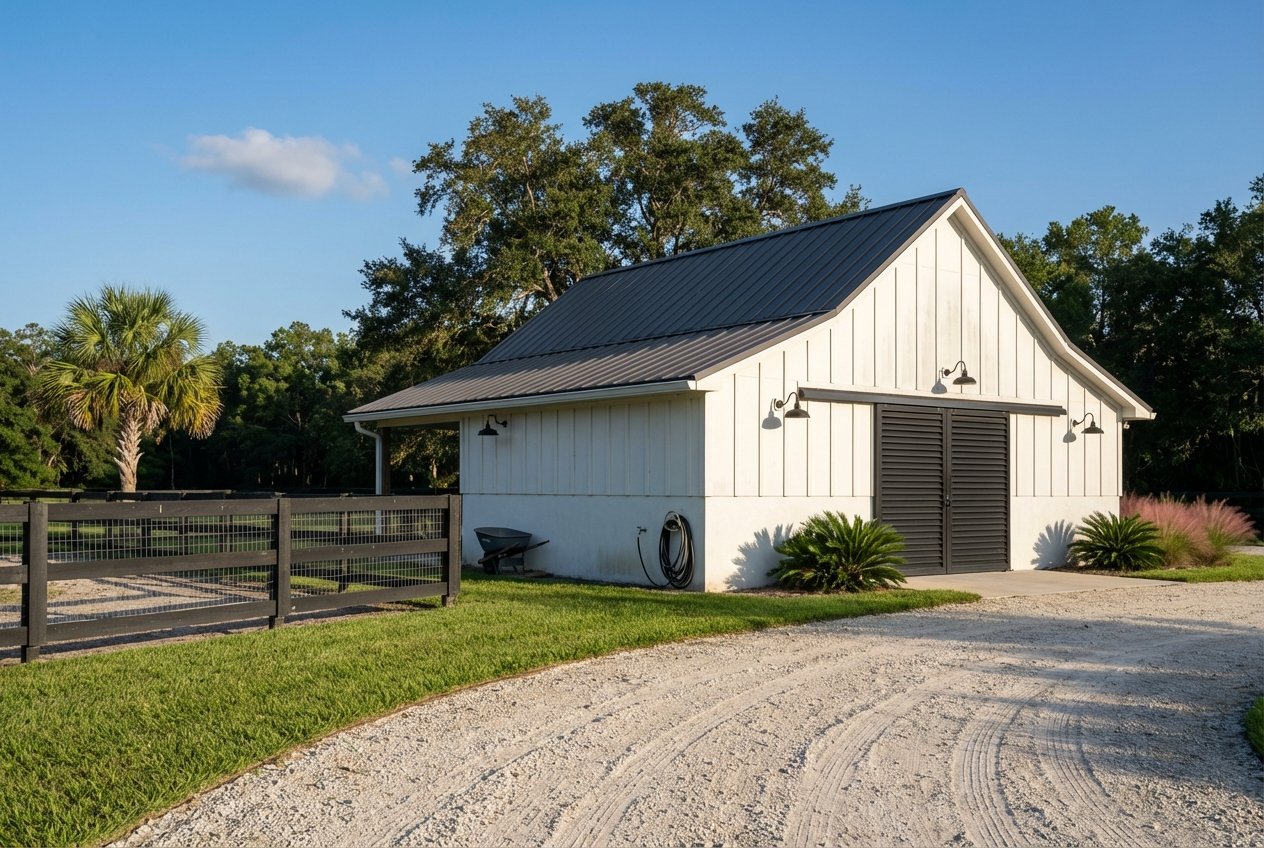
Selling A Home With Acreage In Loxahatchee
February 26, 2026
February 26, 2026
Thinking about selling a Loxahatchee home with room to roam? Acreage properties shine when you show buyers where the land, barns, and improvements add real value. You may be weighing what to fix, what to disclose, and how to price features like stalls, shops, or arenas. This guide walks you through zoning, wells and septic, surveys, marketing, and the exact checklists that make acreage listings sell with confidence. Let’s dive in.
Loxahatchee offers a rural lifestyle with larger lots and flexible space that you do not often find closer to the coast. Parcels commonly range from about 1 acre to 20 plus acres in the surrounding area known as The Acreage, and buyers often evaluate land and improvements separately from the house. You are marketing a lifestyle as much as a home. If you highlight usable acres and permitted improvements clearly, you attract the right buyer fast. For local context on the area, review the overview of Loxahatchee’s rural character on the Loxahatchee, Florida page on Wikipedia.
Much of unincorporated Loxahatchee uses Agricultural Residential (AR) or similar rural designations in Palm Beach County’s Unified Land Development Code. These districts commonly allow single-family homes with accessory barns, livestock, and certain home-based businesses that meet county standards. Every parcel is unique, so do not guess when a buyer asks, “Can I add more stalls or a shop?” Confirm the exact zoning, overlays, and permitted uses with Palm Beach County’s Planning, Zoning and Building guidance on the county zoning FAQ before you market specific uses.
Many acreage homes rely on a private well and onsite sewage system. Buyers often ask for recent well test results and septic records during due diligence. The Florida Department of Health recommends annual private well testing for bacteria and nitrate and provides guidance you can share with buyers. Gather your well logs, the most recent water test, pump service invoices, and any septic permits or repair records. For state guidance on private well testing, see the Florida Department of Health’s page on private well testing.
Florida offers an agricultural classification under F.S. 193.461, commonly called the Greenbelt assessment, for land used for bona fide agricultural purposes. This classification can materially reduce the assessed value for tax purposes. Buyers often ask if a parcel has this status or could qualify after closing. Have your most recent tax notice handy and note whether the property currently carries an agricultural classification. For forms and official details, direct buyers to the Florida Department of Revenue’s property tax forms, including Form DR-482, on the Department of Revenue site.
Drainage in western Palm Beach County relies on canals and water control districts. Many lenders and buyers will check FEMA flood zones and ask about assessments or maintenance obligations tied to your area. If you have any water control district notices, include them in your packet. For county-level information on flood risk and causes, share the Palm Beach County page on types and causes of flooding to help buyers understand the regional context.
For acreage, a recent boundary survey is nearly always requested. Lenders and title companies rely on current standards. The ALTA/NSPS Minimum Standard Detail Requirements were updated, and the 2026 standard took effect on February 23, 2026. Expect buyers or their lenders to request a modern survey that identifies boundaries, easements, and encroachments clearly. If your survey is older or unclear, consider updating it before listing. You can learn what changed in the new standard from the American Surveyor’s summary of the 2026 ALTA/NSPS standards.
Usable acreage matters. Buyers often evaluate wetlands, soil types, and hydrologic constraints to understand where they can build or graze. If you know of wetland designations, conservation easements, or soil issues, disclose them early and include a simple map packet. University of Florida IFAS provides a practical overview of how tools like the National Wetlands Inventory and NRCS Web Soil Survey are used during due diligence. For background you can share, reference the IFAS publication on wetlands and soils in land evaluation.
Acreage parcels commonly include drainage or utility easements, canal access, and private-road maintenance agreements. Ask your title company for a recent title commitment, and organize any recorded easements or agreements you have on file. Handing buyers a clear list of exceptions reduces surprises and speeds underwriting.
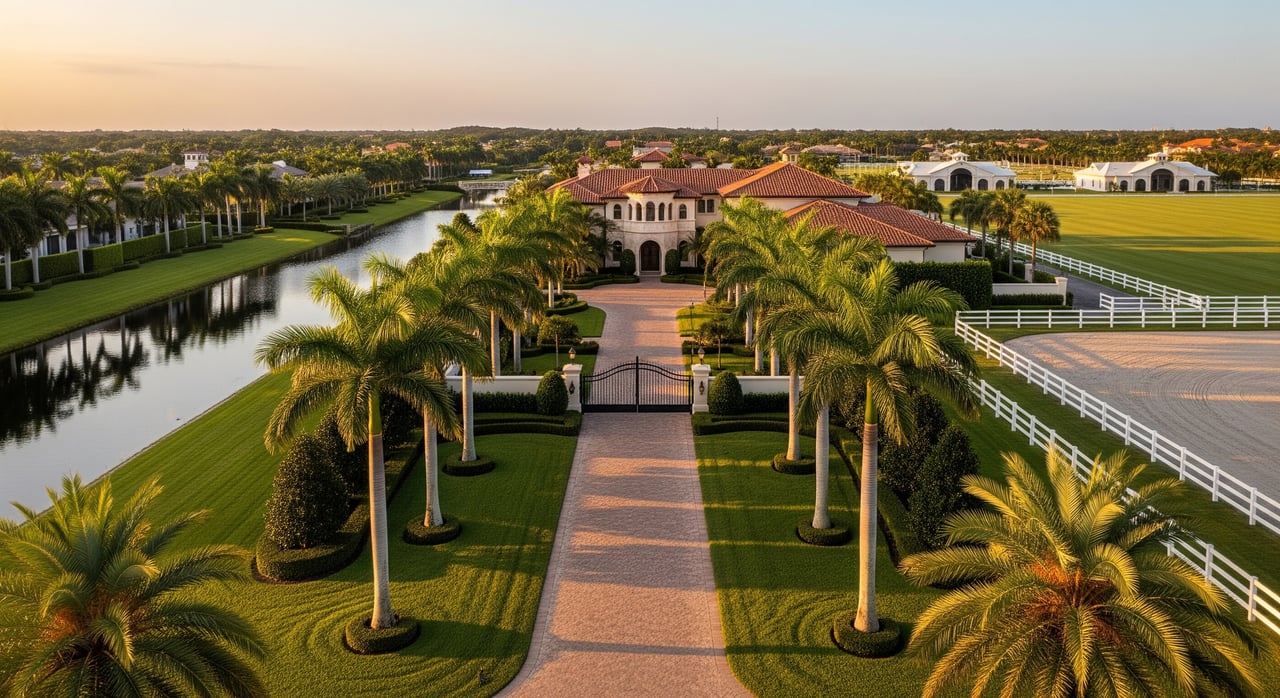
Acreage buyers expect aerials. Order drone photos and include a clean boundary overlay that shows the house, barns, arenas, pastures, ponds or canals, and driveway access. A short video with a drive-in approach, barn walk-through, and pasture views helps remote buyers qualify your property fast. As surveys increasingly reference regulated aerial imagery, it is normal for buyers and lenders to expect accurate mapping alongside photos.
Treat the house, land, and major improvements as separate value stories. Your home’s condition and layout compare to residential comps, while land and equestrian or shop improvements compare to other acreage sales. Price per acre is a helpful reference, but it is not linear. Usable acres and permitted, well-maintained improvements tend to command the premium. Because acreage comps are often sparse and unique, rely on current local MLS data and a pricing strategy built around recent, relevant sales.
Most mortgages on homes with acreage follow standard appraisal practice, but large agricultural parcels or raw land components can present different financing terms. Lenders often require up-to-date surveys and clear title exceptions. The 2026 ALTA/NSPS update changed what survey details many lenders expect, so be prepared to provide modern survey and title documentation. If you can hand over a tidy packet on day one, you reduce risk in the eyes of both buyers and underwriters.
Selling acreage in Loxahatchee is about clarity. When you prepare documents, highlight usable land, and market the right details, you attract serious buyers and protect your price. If you want a concierge-level plan tailored to your property, we are here to help. Hablamos español. Start your next move with the Elite Home Team. Start Your Home Journey — Get a Free Consultation.
Whether you are looking to BUY or SELL, Elite Home Team understands this is one of the biggest investments of your life. Let our experience “move” you through every step of the process. Our relationships with our clients last long after the close of the sale. That philosophy drives our work ethic and leads to the success of our business.
ELITE HOME TEAM
Serving Palm Beach Areas
SALLIANNE SERRA
(561) 436-2458
[email protected]
Serving Sarasota Manatee Areas
CHRISTIAN QUINTANA
(561) 596 2214
[email protected]
8961 HYPOLUXO ROAD LAKE WORTH FL 33467